Deep Cleaning in Cleaners

Deep cleaning in Cleaners is a careful, detail-led service for homes and workplaces that need more than routine upkeep. It focuses on the built-up dirt, grease and dust that ordinary cleaning can leave behind, with attention to areas that are often skipped during day-to-day tidying. Our approach is designed to restore a fresher, more hygienic feel across the property while keeping the work practical, methodical and suited to the surfaces involved.
We tailor the clean to the rooms and fittings that matter most. That may include kitchens, bathrooms, floors, skirting boards, fixtures, high-contact points and other neglected details that collect residue over time. Deep cleaning is especially useful when a property needs a more thorough refresh before guests, after a busy season, or as part of planned maintenance. If you are comparing options, our team can explain what is usually included and where extra attention may be sensible.
The best starting point is a clear discussion of the property and the condition of the areas you want addressed. Tell us what you would like cleaned and where the main problem spots are, then we can suggest a suitable scope rather than over- or under-specifying the job. Request a quotation when you are ready, and we will help you shape the work around the rooms, fittings and level of detail you need.
What our deep cleaning service covers
Deep cleaning is not a one-size-fits-all checklist. It is a structured service built around surfaces, touchpoints and the places where everyday cleaning normally stops. In practical terms, that means removing built-up grime from reachable areas, paying close attention to edges, ledges and fittings, and working through each room in a sensible sequence. The result is a fuller clean that supports a tidier, more comfortable space without relying on vague promises.
For many customers, the value lies in having the work adapted to the condition of the property. Some spaces need stronger attention in kitchens and bathrooms, while others call for careful dust removal across living areas, bedrooms or hallways. We can also focus on priority areas such as switches, door handles, splash-prone surfaces and other details that influence how fresh a room feels. If you are not sure how extensive the job should be, a brief outline of the property is usually enough to begin.
Rooms and surfaces that benefit most
The most noticeable improvements often come from areas where residue builds up gradually. Kitchens may need degreasing around cookers, worktops and splash zones. Bathrooms can benefit from limescale removal and a thorough clean of fittings, tiles and surrounding surfaces. Floors, skirting boards, internal glass and other finishing details may also be included where they fit the agreed scope. The aim is to leave the main living areas looking cared for without turning the service into unnecessary overwork.
How we approach kitchens and bathrooms

Kitchens and bathrooms usually require the most detailed attention during a deep clean because they combine frequent use with moisture, grease and mineral build-up. In kitchens, the focus is often on removing greasy residue, refreshing reachable surfaces and giving attention to the places where crumbs, splashes and steam leave a film behind. The work can be adjusted around the fittings present, from simple domestic layouts to more involved rooms with additional appliances or storage.
Bathrooms need a different method because soap residue, limescale and damp conditions affect surfaces in a different way. A well-planned clean will look at sanitary fittings, visible fixtures, shower screens, tiles, sink areas and the surrounding details that are often hard to keep on top of. We aim for a finish that feels cleaner and easier to maintain, while staying realistic about what can be achieved within the agreed scope and condition of the room.
Choosing the right level of detail
Not every property needs the same intensity of work. Some customers want a thorough refresh of the most used rooms, while others prefer a whole-property deep clean that includes more finishing touches. Useful choices include whether to prioritise food areas, tiled wet rooms, floors, storage fronts or high-touch points. A good quotation should reflect the actual condition of the rooms rather than a generic package, so the service remains focused and cost-aware.
Deep cleaning for floors, fixtures and finishing touches
Floors and fixtures often reveal the difference between a basic tidy-up and a proper deep clean. Hard floors may need careful attention around corners, joins and skirting lines, while other surfaces benefit from dust removal and a more detailed wipe-down. The work needs to suit the material, so that cleaning improves appearance without causing avoidable wear. This is especially important where finishes vary from room to room or where surfaces need gentler handling.
Smaller details can change how a property feels after the main work is complete. Light switches, handles, shelves, exposed trims and reachable ledges can all collect fingerprints and dust in ways that are easy to miss. When these are included in the plan, the final result feels more complete. Our service is designed to be thorough while still practical, so the focus stays on the areas that genuinely affect cleanliness and presentation.
Where useful, we can also discuss how the clean should be sequenced. For example, some clients prefer the most contaminated rooms tackled first, while others want the living areas completed before quieter rooms. A sensible order helps avoid cross-contamination and keeps the job efficient. That kind of planning matters because it helps align the clean with the condition of the property and the time available for the work.
Specialist options for homes and occupied properties

Occupied homes often need a deep clean that works around normal daily use. That does not mean the service is rushed; it means the work is organised so essential rooms are handled carefully and access points stay manageable. In lived-in properties, the most useful outcome is often a cleaner, calmer baseline that makes ordinary upkeep easier afterwards. We can concentrate on the rooms that are causing the most concern, or spread the work across the property in a more balanced way.
Some customers want a one-off service because a property has simply fallen behind, while others are looking for support before a gathering, after a renovation, or ahead of a new chapter in the home. The service can be shaped to suit those needs, provided the expectations are clear from the start. If there are areas you want excluded or especially detailed, it helps to say so at the quotation stage so the proposal matches the job properly.
Useful information to have ready is straightforward and does not need to be overcomplicated.
- Which rooms are the priority
- Any surfaces that need careful handling
- Whether the property is occupied or empty
- Any heavy buildup, staining or access restrictions
Pricing factors and quotation details
Deep cleaning quotations are usually shaped by the size of the property, the number of rooms, the condition of the surfaces and the level of detail required. A more straightforward clean with light buildup will naturally differ from work that involves heavier grease, limescale or dust accumulation. The presence of specialist surfaces, awkward access points or extra fixtures can also influence the scope. We keep the process clear so the quotation reflects the actual work, not a generic estimate detached from the job.
It is helpful when the request includes a simple description of the rooms and the areas you want prioritised. You do not need to write a long brief, but a useful outline makes it easier to judge the time and method involved. If there are rooms that need only a surface refresh, or others that require more intensive attention, say so in plain terms. That makes the quotation more accurate and the service easier to plan.
For customers comparing options, it is sensible to focus on the scope as well as the headline price. A thorough quotation should make clear what is included, where extra care may be needed and whether the work is limited to certain rooms or fixtures. If you would like to move ahead, request a quotation and we will help you define the right level of deep cleaning for the property.
Preparing for a deep clean
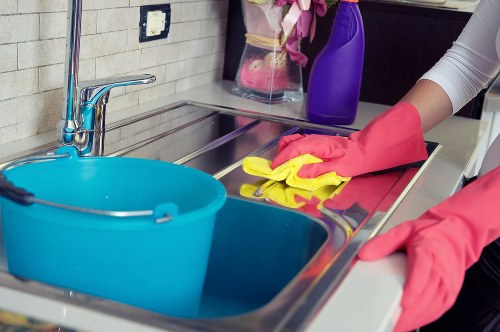
Good preparation for a deep clean is mostly about making access straightforward. Clearing away personal items from the surfaces you want cleaned, unlocking rooms and noting any fragile pieces can all help the work move smoothly. If there are particular stains, areas of heavy wear or surfaces that should be treated gently, flag them in advance. That does not mean the customer has to do the cleaning first; it simply helps set the job up properly.
Another useful step is deciding what the priority outcome should be. Some people want the most visible rooms refreshed first, while others prefer the service to concentrate on hygiene-critical spaces such as kitchens and bathrooms. A clear priority list helps keep the clean efficient and ensures the effort goes where it will make the biggest difference. When the brief is sensible and direct, the team can work through it methodically without unnecessary back-and-forth.
If you are planning ahead, a simple checklist can help frame the request:
1. Identify the rooms to include
2. Note any problem areas or stubborn residue
3. Mention whether the property is occupied, empty or undergoing change
4. Ask for the quotation to reflect the level of detail you need
Deep cleaning for regular upkeep and occasional resets
Although deep cleaning is often booked as a one-off service, it can also act as a reset that makes ongoing maintenance easier. Once built-up dirt has been removed, routine cleaning tends to be more effective because the surfaces are starting from a better baseline. That can be useful after a busy period, following extended use of the property, or whenever the rooms simply need a more substantial refresh than everyday cleaning can provide.
The service can also be used selectively. Some customers prefer a focused clean for the busiest parts of the property, while others want a broader approach that covers more of the home in one visit. Both approaches can work well, provided the scope is realistic and the rooms are chosen carefully. We can help shape the work around the spaces that matter most, rather than forcing everything into a rigid template.
Deep cleaning should leave a property looking properly refreshed rather than just temporarily tidied. The goal is a cleaner finish, better presentation and a sense that the hidden build-up has been dealt with in a structured way. If that is what you are looking for, the next step is simple: ask for a quotation and tell us which rooms matter most.
About Cleaners
Cleaners is a name associated with a place that is primarily known for its urban character and its connections to the wider South London landscape. The area around Clapham has long been shaped by movement, trade and residential growth, with layers of development visible in its streets, transport links and public spaces. Clapham Common is one of the best-known features, a substantial open space that gives the district a broad green centre and has been used for leisure and gathering for generations. The common’s mix of grassland, tree cover and paths creates a strong contrast with the surrounding townscape, and its open setting has helped define the area’s identity. Clapham also contains a variety of architectural periods, from Georgian terraces and Victorian housing to later infill and commercial premises, giving its streets a varied built form rather than a single uniform style. The district’s transport connections have contributed to its development over time, while the local high streets and side roads support cafés, independent shops and everyday services. Nearby rail and Underground stations have made the area accessible and have reinforced its role as a commuter and residential district. The neighbourhood includes pockets with very different atmospheres, from busier stretches near main roads to quieter residential enclaves closer to the common or the smaller parks and squares that punctuate the area. That mixture of open space, housing, and active street life gives Clapham a character that is both practical and sociable, with a steady blend of local activity and city-wide connection.
Why a tailored clean matters
Different properties call for different approaches, and a tailored deep clean helps match the work to the condition of the space. A compact flat with mainly hard floors and a simple kitchen will not need the same treatment as a larger family home with multiple bathrooms, heavier traffic and more detailed finishes. The value of tailoring lies in using time well, concentrating on the most affected surfaces and avoiding unnecessary work where a lighter touch is sufficient.
This is also where customer decisions matter. Choosing the right rooms, identifying the most stubborn areas and deciding whether the job is a partial or whole-property clean all make the outcome more useful. A clear brief is better than a broad wish list because it keeps the service grounded in the real condition of the property. Practical choices create better results and make it easier to compare quotations on a like-for-like basis.
If you are unsure how much to include, think in terms of impact. The best plan usually prioritises rooms that are used most heavily, surfaces that show dirt quickly and details that affect the overall finish. When those are handled well, the property feels cleaner in a way that is both visible and lasting. Request a quotation if you would like us to map that out with you.
Requesting your quotation

When you are ready to enquire, keep the request straightforward and specific. Mention the property type, the rooms you want covered and any areas that need extra attention. If there are delicate finishes, tight access points or sections that should be left out, note those as well. That gives us the information needed to prepare a quotation that reflects the actual work rather than a rough guess.
We can then help you decide whether a focused clean, a broader reset or a more detailed whole-property service is the better fit. The aim is to make the process easy to understand, with no unnecessary jargon and no unclear assumptions. If you would like to move ahead, the simplest next step is to contact us and request a quotation for deep cleaning in Cleaners.
Whether the property needs a fresh start in key rooms or a more comprehensive clean across several areas, the service is intended to be practical, thorough and clearly scoped. Tell us what needs attention, and we will work from there.