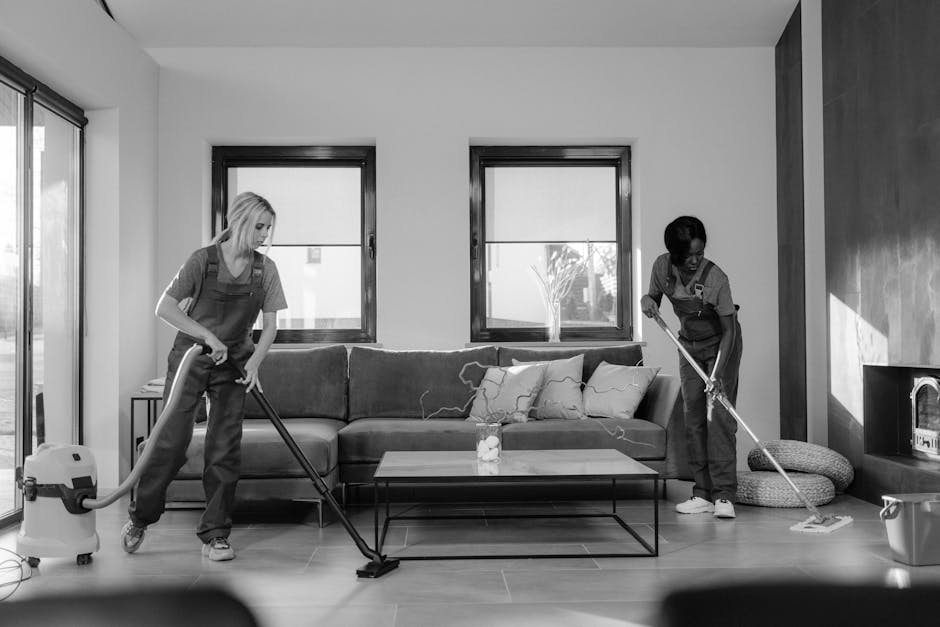
DIY versus professional cleaning when to hire experts
If you have ever stood in front of a grimy oven, a stained carpet, or a bathroom that has gone from "a bit of limescale" to "how did it get like this?", you already know the real question is not just how to clean it. It is whether doing it yourself is actually worth your time, effort, and risk. The balance between DIY versus professional cleaning when to hire experts comes down to more than convenience. It affects results, safety, and sometimes the lifespan of the thing you are trying to save.
In this guide, we will break down where DIY makes perfect sense, where professional cleaning pays off, and how to make the call without second-guessing yourself. We will also cover common mistakes, practical checklists, and real-world examples so you can decide with a bit more confidence. Truth be told, the "right" answer is not always the cheapest one.
Why DIY versus professional cleaning when to hire experts Matters
The choice matters because cleaning is not one single task. Wiping a kitchen counter is one thing; removing embedded grease from an oven, restoring a sofa, or deep cleaning after renovation is something else entirely. A lot of people start with DIY because it feels sensible and low-cost. Fair enough. But some jobs punish shortcuts.
DIY cleaning is usually best when the surface is durable, the soil level is light to moderate, and the risk of damage is low. Professional cleaning is often better when the job needs specialist equipment, stronger knowledge of fabrics or materials, or a finish that has to be consistently high. That is especially true for items that are expensive to replace, awkward to move, or likely to hold hidden dirt.
There is also the time factor. A job that takes you a full Saturday, two rounds of scrubbing, and a sore back on Sunday might only be "cheap" on paper. If the result is still patchy, you end up paying again anyway. That is why people often search for DIY versus professional cleaning when to hire experts in the first place: they want to know where the line actually is.
Practical takeaway: DIY is usually about routine upkeep. Professional cleaning is usually about recovery, restoration, or results that need proper equipment and skill.
How DIY versus professional cleaning when to hire experts Works
At a simple level, the two approaches differ in tools, technique, and risk. DIY cleaning relies on household products, your own time, and whatever knowledge you already have. Professional cleaning uses trained operatives, commercial-grade equipment, and methods chosen for the material or problem at hand.
For example, a DIY carpet clean might mean spot-treating a stain and using a rented machine. A professional carpet clean usually involves assessing fibre type, pile condition, stain history, drying time, and what machine settings are safe. That kind of judgement matters more than people realise. Push too much moisture into the carpet and you may create a smell problem, a drying issue, or even visible distortion.
The same applies to sofas, rugs, windows, hard floors, and ovens. In many cases, professional cleaning is not about doing something magical. It is about using the correct process in the correct order. Pre-treatment, dwell time, agitation, extraction, drying, finishing. Small things, but they make a big difference.
In a home setting, the decision often comes down to three questions:
- How dirty is it, really?
- What happens if I get it wrong?
- Do I have the time, tools, and patience to do this properly?
If any of those answers feel shaky, that is usually your cue to step back and consider expert help such as deep cleaning, oven cleaning, or a specialist service like sofa cleaning.
Key Benefits and Practical Advantages
DIY has a few clear strengths. It is flexible, it is immediate, and for routine maintenance it can be all you need. A quick wipe-down, a vacuum, a mop, or a basic stain treatment can prevent bigger problems from building up. If you keep on top of things, you will need professional intervention less often. Nice, simple, boring. And boring is fine when it comes to cleaning.
Professional cleaning, though, brings a different set of advantages:
- Better results on difficult jobs - embedded grease, deep-set stains, odours, and neglected surfaces respond better to trained methods.
- Reduced risk of damage - delicate fabrics, stone, wood, and specialist finishes can be ruined by the wrong chemical or too much water.
- Time savings - a team can do in hours what might take you a whole day.
- More consistent hygiene - important in kitchens, bathrooms, offices, and high-traffic spaces.
- Access to specialist equipment - commercial extraction machines, steam systems, and professional-grade tools often outperform household kit.
There is also a quieter benefit: peace of mind. You know the job has been handled properly. That is especially reassuring when you are moving out, expecting guests, or dealing with a post-renovation mess that has dust in every awkward corner. If you have ever cleaned around skirting boards with a torch in the late afternoon, you know exactly what I mean.
For larger homes or recurring maintenance, services like domestic cleaning, house cleaning, and one-off cleaning can also be a practical middle ground between full DIY and a complete overhaul.
Who This Is For and When It Makes Sense
This topic matters to a lot of different people, and not all for the same reasons. A busy parent, a tenant leaving a flat, a homeowner after building work, and an office manager all face different versions of the same question.
DIY makes sense if you are:
- keeping on top of everyday dirt and dust
- doing light spill clean-ups before stains set
- working with durable surfaces that are easy to test safely
- trying to reduce routine cleaning costs over time
Professional cleaning makes sense if you are:
- preparing for a tenancy check-out or new occupancy
- dealing with post-build dust and residue
- trying to restore a carpet, rug, sofa, or upholstery item
- handling a large home, office, or commercial space
- worried about damage, odours, or hygiene issues
Sometimes the right answer is mixed. You might do the light day-to-day work yourself and bring in experts for the stubborn jobs. That is a sensible way to use both budgets and energy. No drama, just good judgement.
If you manage a workplace, the same logic applies on a bigger scale. A regular schedule with office cleaning or support from office cleaners can keep standards consistent without relying on an overworked internal team to do everything after hours.
Step-by-Step Guidance
Here is a practical way to decide, without overthinking it.
- Identify the surface or item. Is it carpet, upholstery, glass, tile, laminate, stone, wood, or an appliance?
- Assess the condition. Is it lightly dirty, visibly stained, greasy, mould-prone, or just neglected for too long?
- Check the risk of damage. Delicate fabrics, sealed floors, and specialist finishes can react badly to the wrong method.
- Think about the outcome you need. "Looks cleaner" is different from "needs to be professionally presentable."
- Review your tools and time. If your only option is a sponge, kitchen spray, and tired enthusiasm, that may not be enough.
- Compare the cost of doing it twice. If DIY fails, you may still end up hiring an expert later.
- Decide and act quickly. Stains, grease, and spills become harder to remove the longer they sit.
A useful rule of thumb: if the task needs specialist extraction, high-level access, or knowledge of material safety, lean professional. If it is routine upkeep and the surface is forgiving, DIY is usually fine.
For example, light bathroom limescale can often be tackled at home. But if you are looking at mineral buildup on shower glass, around taps, and in grout lines that has been there for months, a proper one-off cleaning visit may save a lot of faffing about.
Expert Tips for Better Results
If you do choose DIY, a bit of method goes a long way. Cleaners, oddly enough, are often more about process than elbow grease. Here are a few practical habits that improve results whether you are doing it yourself or briefing a professional.
- Test products first. Always try a cleaner on a hidden patch before using it on a visible area.
- Work from clean to dirty. It stops you spreading grime around, especially on floors and counters.
- Use less liquid than you think. Over-wetting is a common cause of residue, drying issues, and odours.
- Let products dwell. Cleaning chemicals need time to work; rushing makes everything harder.
- Ventilate the room. Open windows where possible. It helps drying and reduces lingering smells.
- Use the right cloth. Microfibre, lint-free cloths, and proper scrubbing pads are not just marketing fluff.
To be fair, one of the biggest expert tips is also one of the least glamorous: stop before the job becomes a repair issue. If you are scrubbing so hard that the colour changes, the finish dulls, or the texture feels different under your hand, pause. That is the moment to reassess.
For fabric items, specialist services such as upholstery cleaning and rug cleaning are often the safer option, especially if you are dealing with treasured or expensive pieces.
Common Mistakes to Avoid
Most cleaning mistakes are not dramatic. They are small, ordinary, and annoying. A little too much product. A little too much water. A bit of panic. Then a bigger mess than the one you started with. Classic.
Here are the errors that cause the most trouble:
- Using one cleaner for everything. Not every surface likes the same chemical profile.
- Scrubbing aggressively. This can damage fibres, coatings, and polished surfaces.
- Ignoring drying time. Damp carpets, cushions, and floors can create new problems.
- Leaving stains too long. Fresh spills are always easier to remove than old ones.
- Mixing products. This is risky and, in some cases, genuinely unsafe.
- Assuming a quick fix is enough. Some messes need deeper treatment than a surface wipe.
A less obvious mistake is underestimating scale. A single carpet stain is a DIY problem. An entire room with traffic lanes, pet odour, and old spill marks is no longer a quick weekend job. That is where professional carpet cleaning becomes a lot more appealing.
Another common one: ignoring the cause. If a carpet keeps getting stained, or a bathroom keeps smelling musty, the surface issue may be a symptom of something else. Solving the visible dirt is useful, but not if the underlying habit or moisture problem remains.
Tools, Resources and Recommendations
You do not need a cupboard full of gadgets to clean well, but the right tools do improve your odds. The basics for home cleaning are straightforward: microfibre cloths, a decent vacuum, soft brushes, buckets, and products suited to the material you are cleaning.
For more specialised work, professionals may use:
- hot water extraction equipment for carpets and rugs
- targeted degreasers for ovens and kitchens
- specialist fabric-safe solutions for sofas and upholstery
- pure water systems or professional methods for windows
- machinery for hard floors that lifts dirt without harming the surface
If you are deciding whether to buy or hire equipment, think about frequency. Once-a-year use rarely justifies expensive kit, especially if storage is awkward. In those cases, a professional visit is often the better value. If you are maintaining a busy home or an office, regular support from a cleaning company can make life much easier than trying to build a cleaning operation yourself.
For stubborn appliances, a specialist oven cleaner can be worth it when burnt-on residue, smell, or poor airflow has become a real nuisance. And if hard surfaces are the issue, especially in kitchens or hallways, hard floor cleaning is better left to the right method than guessed at with a mop and optimism.
One practical recommendation: keep a small cleaning audit list at home. It sounds a bit clinical, but it helps. Note the items you are happy to maintain yourself, and the ones that always end up frustrating you. That list becomes your decision shortcut.
Law, Compliance, Standards, or Best Practice
For most households, cleaning is not heavily regulated in the day-to-day sense. Still, there are sensible standards and best practices worth following, especially when safety, tenancy obligations, workplace hygiene, or building condition are involved.
In the UK, the safest approach is to treat chemical labels seriously, follow manufacturer instructions, and make sure ventilation is adequate. That sounds obvious, but a lot of issues come from treating cleaning products like harmless soap. They are not always harmless. Gloves, eye protection, and careful storage are sensible habits, particularly for stronger products.
If you are a tenant, landlord, or property manager, the expectations around cleanliness can be higher at the end of a tenancy or before a handover. That is one reason end of tenancy cleaning is such a common choice. It is less about perfection and more about meeting the standard the next occupant or inspection expects.
For workplaces, hygiene and presentation matter in a different way. A tidy office is not just about appearance; it is part of day-to-day safety and professionalism. Many businesses choose formal cleaning support because it is easier to maintain consistency and accountability. If you are running a workplace, checking a provider's health and safety policy and insurance and safety information is simply good practice.
There is also a sustainability angle. Overusing chemicals, water, and disposable materials is not ideal, and it usually does not help the clean either. A measured approach is better. If you care about lower-waste methods, a provider's recycling and sustainability approach can be a useful sign that they think about the bigger picture, not just the immediate shine.
Options, Methods, or Comparison Table
Sometimes the fastest way to decide is to compare the options side by side. Here is a practical overview.
| Cleaning approach | Best for | Strengths | Limitations | When to hire experts |
|---|---|---|---|---|
| DIY routine cleaning | Dusting, wiping, vacuuming, light spills | Low cost, fast, flexible | Limited equipment, variable results | When the task stays small and low-risk |
| DIY deep cleaning | Occasional bigger home refreshes | Can be satisfying and cheaper than a visit | Time-heavy, easier to miss hidden dirt | When the job is still manageable and the surface is forgiving |
| Professional specialist cleaning | Carpets, upholstery, ovens, rugs, hard floors, windows | Better finish, reduced damage risk, specialist kit | Costs more upfront | When the item is valuable, dirty, delicate, or time-sensitive |
| Regular professional maintenance | Homes, offices, shared spaces | Consistency, hygiene, less stress | Ongoing cost | When cleanliness needs to stay at a standard, not just be fixed once |
For many readers, the sweet spot is a blended model: DIY for daily upkeep, professionals for restorative or specialist work. That is especially true for larger properties, or homes with children, pets, visitors, or just... normal life, which is messy enough on its own.
Case Study or Real-World Example
Imagine a family in London getting ready for guests over a bank holiday weekend. The kitchen is fine on the surface, but the oven door has baked-on residue, the living room rug has a dull patch from repeated foot traffic, and the sofa arm has a faint mark where someone balanced a mug too confidently. Individually, none of these are emergencies. Together, they make the whole place feel a bit tired.
They start with DIY because that is the instinct. The kitchen counters are sorted. The bathroom is cleaned. The windows are wiped. But after an hour or two, the oven still looks patchy, the rug does not lift much, and the sofa mark has not really shifted. The issue is not effort. It is method.
At that point, bringing in professionals for targeted tasks makes sense. A specialist oven cleaning service handles the grease and grime more thoroughly. A proper carpet or rug treatment refreshes the fibres rather than just wetting them. The sofa gets a cleaner finish without the risk of over-soaking the fabric. The family keeps control of the basic chores and offloads the jobs that genuinely benefit from expertise.
That is the real lesson. You do not have to choose one side forever. You choose the right tool for the right job, and frankly, that is usually how good homes stay manageable.
Practical Checklist
Use this checklist when deciding whether to clean yourself or hire an expert.
- Is the surface easy to clean with standard household products?
- Would a mistake cause damage, staining, or odour?
- Is the item expensive, delicate, or awkward to replace?
- Do you need a high standard for moving out, guests, or work?
- Do you have the right tools and enough time?
- Have you already tried a safe DIY method without success?
- Would professional equipment clearly improve the result?
- Is there a safety issue with chemicals, lifting, or access?
- Would hiring help actually save time and reduce stress?
- Does the job feel bigger than a normal weekend clean?
If you tick three or more of those boxes, it is usually worth at least getting a quote. Sometimes that small step saves you from a much bigger headache later on.
Get a free quote today and see how much you can save.
Conclusion
DIY cleaning is brilliant for routine care, light maintenance, and small wins that keep a home or workplace ticking over. Professional cleaning comes into its own when the job is specialised, time-sensitive, hard to reach, or simply too important to leave to trial and error. The real art is knowing which is which.
In practice, the best answer is often a mix. Keep the everyday jobs in your own hands, and bring in experts when the result needs to be deeper, safer, or more reliable. That approach is sensible, cost-aware, and far less stressful than trying to do absolutely everything yourself.
And if you are still unsure, that is normal. Cleaning decisions are rarely dramatic, but they do add up. A little judgement here can save you hours later. Sometimes the smartest move is the one that leaves you with a clean space and an easier evening.
Frequently Asked Questions
When should I choose DIY cleaning over a professional service?
Choose DIY when the task is routine, low-risk, and manageable with standard household tools. Dusting, vacuuming, wiping surfaces, and light spill clean-ups are usually fine at home.
What cleaning jobs are best left to experts?
Jobs involving deep stains, grease buildup, delicate fabrics, specialist floors, ovens, rugs, or post-build dust are often better left to professionals because they need stronger techniques and more control.
Is professional cleaning really worth the extra cost?
Often, yes, if the job is large, time-consuming, or risky to do yourself. The value comes from better results, less chance of damage, and time saved.
Can I damage my carpet by cleaning it myself?
Yes, if you use too much water, the wrong chemical, or too much scrubbing. Some carpets can cope with DIY care, but stains, fibre type, and drying time matter a lot.
How do I know if my sofa needs professional cleaning?
If the fabric has stains, odours, dullness, or repeated dirt build-up, and you are not sure what the material will tolerate, professional upholstery cleaning is the safer option.
Are one-off professional cleans useful for busy homes?
Very much so. A one-off clean can reset a home that has built up grime over time, especially before guests, after illness, or when everyday routines have slipped a bit.
What is the main advantage of hiring experts for oven cleaning?
The main advantage is getting burnt-on grease and residue removed more thoroughly without damaging the oven's finish, seals, or components.
How often should I book professional cleaning instead of doing it myself?
There is no single rule. Many people use DIY for daily upkeep and book professionals when a deeper clean is needed, such as every so often for carpets, upholstery, or the oven.
What should I check before hiring a cleaning company?
Look at the services offered, how they handle safety, whether they explain their process clearly, and whether their pricing and terms are easy to understand. A good provider will be straightforward about expectations.
Does professional cleaning help with end of tenancy standards?
Yes. End of tenancy cleaning is often chosen because it is designed to meet a higher handover standard than a normal weekly clean, which can be helpful before inspection or move-out.
Can office spaces be cleaned well with DIY only?
Small office areas may cope with internal cleaning for basic maintenance, but larger or busy workplaces usually benefit from professional office cleaning to keep standards consistent.
What is the simplest way to decide between DIY and expert cleaning?
Ask yourself three things: how dirty is it, how bad would it be if I got it wrong, and do I actually have the time and tools to do it properly? That usually gives the answer pretty quickly.
If you want a cleaner home, fewer headaches, and a more reliable finish, choosing the right level of help is half the battle. The other half is starting before the mess gets comfortable.