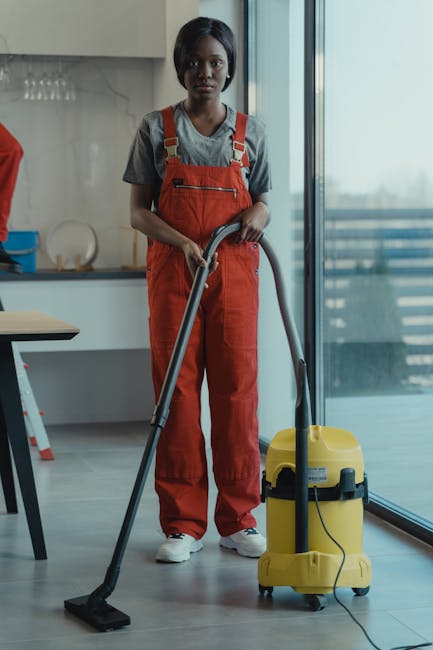
Licensed cleaning services explained What clients should know 2026

If you are comparing cleaners in 2026, the word "licensed" can sound reassuring - but it also gets used loosely. Some clients mean insured, some mean trained, and some mean properly authorised to carry out certain types of work. That is exactly why licensed cleaning services explained What clients should know 2026 matters. The difference between a professional team and a shaky one is not always obvious from a website or a quote. You need to know what the licence covers, what it does not, and what good service actually looks like in practice.
This guide breaks the topic down in plain English. We will look at how licensed cleaning services work, what clients should ask before booking, what safety and compliance points really matter, and how to compare providers without getting lost in jargon. You will also find a checklist, a realistic example, and a few practical tips that can save time, money, and a fair bit of hassle.
Why licensed cleaning services explained What clients should know 2026 Matters
Let's face it: most people do not book a cleaner because they want admin. They book because they need a home, office, rental property, or specialist surface cleaned properly, without drama. But licensing is not just paperwork. It is often a signal that a business has taken compliance, training, and risk seriously.
In everyday terms, a "licensed" cleaning service may mean different things depending on the work involved. For general domestic cleaning or office cleaning, clients usually want to know that the company is legitimate, insured, and using safe methods. For specialist work such as biohazard-related jobs, high-access cleaning, or commercial sites with stricter requirements, clients may need to see more formal credentials and method statements. So the word itself is not enough. You need context.
Why does this matter so much in 2026? Because clients are more aware of safety, data privacy, environmental responsibility, and payment security than they used to be. That is a good thing. A cleaner who turns up with the right equipment but no clear process can still create problems - from damaged flooring to poor complaint handling. And no one wants that sort of surprise on a Tuesday afternoon.
Expert summary: A licensed cleaning service should give you confidence in three areas: lawful operation, safer working practices, and clear accountability. If any of those are missing, keep looking.
How licensed cleaning services explained What clients should know 2026 Works
In practice, the process is usually straightforward. You contact a cleaning company, describe the space or job, and they decide whether it fits their service model. If the work is standard domestic cleaning, the main checks may involve scheduling, access, products, and price. If the job is more specialist, there may be a site assessment, a written quote, and extra questions about materials, hazards, or access conditions.
A professional provider will usually explain:
- what is included in the service
- what equipment and cleaning products will be used
- how long the work should take
- what access they need
- how they handle sensitive items or problem areas
- what insurance or guarantees apply
That transparency is often the real marker of quality. You do not need a long speech, just a clear answer. If a provider is vague about basics, that is rarely a good sign.
Many clients also compare related services before choosing the right fit. For example, a property that looks generally untidy may need deep cleaning, while a rental property at the end of a tenancy may be better suited to end of tenancy cleaning. A family home after renovation may need after builders cleaning. The licence or compliance level expected can change with the job.
One small but important point: clean-looking websites do not equal clean working practices. A polished homepage is nice, sure, but what you really want is evidence of proper insurance, clear terms, and a sensible approach to health and safety. The kettle-boiling, boots-by-the-door kind of detail matters more than fancy adjectives.
Key benefits and practical advantages
There are good reasons clients prefer licensed or properly authorised cleaning services. The benefits are not abstract. They show up in real life, in fewer headaches and better outcomes.
- Lower risk of damage: A trained team is more likely to choose suitable products and methods for carpets, hard floors, glass, upholstery, and delicate finishes.
- Better accountability: If something goes wrong, a legitimate business has a process for complaints, service recovery, and follow-up.
- Safer working: Good providers understand basic site safety, chemical handling, and practical precautions around cords, slippery floors, and fragile areas.
- Clearer expectations: You know what is included, what costs extra, and what results are realistic.
- Better suitability for commercial work: Businesses often need a provider that can align with building access rules, opening hours, and hygiene expectations.
- More consistent results: A proper system beats guesswork. Every time.
There is also a trust benefit that is easy to overlook. When you can see a company has invested in proper operations, it often means they are more likely to respect your time, your property, and your money. Clients notice that quickly. A cleaner who arrives prepared, communicates well, and leaves no muddy boot prints behind? That sticks with people.
Who this is for and when it makes sense
Licensed cleaning services are not only for big office buildings or complex jobs. They can make sense for quite a few everyday situations.
You may want this kind of service if:
- you are a landlord or letting agent needing reliable turnover cleaning
- you manage an office and need regular office cleaners who understand site access and discretion
- you are preparing a property for sale, handover, or inspection
- you need specialist care for carpets, rugs, or upholstery
- you want a company with stronger safety and insurance standards than a casual one-off hire
- you are booking a high-value or delicate service where mistakes are expensive
For households, the need often appears during busy or stressful periods. A new baby. A house move. A serious spring clean. A post-refurbishment mess that somehow got into every crevice. For businesses, the trigger is usually operational: reputation, compliance, staff wellbeing, or simply the need to keep premises presentable.
If you are only looking for a quick refresh, a general cleaner may be enough. But if you want reliable systems, documented standards, and a provider you can actually hold to account, licensed or properly registered cleaning services start to make a lot more sense.
Step-by-step guidance
If you are hiring in 2026, here is a sensible way to approach it. Nothing fancy. Just a solid process.
- Define the job clearly. Is it domestic, commercial, post-build, or specialist? Be specific about rooms, surfaces, and problem areas.
- Ask what the licence or credential covers. Do not assume. If the service uses "licensed" in marketing, ask what that means in practical terms.
- Check insurance and safety support. A proper provider should be able to talk about liability cover, staff safety, and site precautions. You can also review their insurance and safety information and health and safety policy.
- Request a written quote. Pricing should be clear enough that you can understand the scope, timing, and any optional extras. Their pricing and quotes page should help clarify how estimates are handled.
- Read the terms. Look for cancellation rules, access requirements, exclusions, and complaint handling. Boring? Yes. Useful? Absolutely.
- Confirm payment and security. Especially for larger jobs, it is worth checking how online or card payments are handled. Their payment and security information should make this easier.
- Book with the right service type. A specialist need deserves a specialist page. For example, carpet cleaning, oven cleaning, or window cleaning.
- Check the outcome against the brief. Walk the property after the clean and note anything that needs follow-up immediately, while the visit is still fresh in everyone's mind.
That last step sounds obvious, but people skip it all the time. Then two days later they remember a dusty skirting board or a stubborn mark under the sink. Better to review it straight away. Saves awkwardness later.
Expert tips for better results
Here is where a little experience goes a long way.
Be precise about problem areas. "The kitchen needs a clean" is fine, but "the extractor hood, grout lines, and oven front need attention" is much better. The more exact you are, the better the outcome.
Ask what products are used on sensitive surfaces. This matters for natural stone, sealed wood, delicate fabrics, and older flooring. A competent cleaner should be able to explain the basics without acting as if you are asking for moon landing coordinates.
Match the service to the condition of the space. A lightly used flat does not need the same approach as a vacant rental or a building site. Choosing the right service avoids overspending and under-cleaning at the same time.
Look for evidence of process, not just promises. Good operators often have routines: arrival checks, equipment setup, safe product handling, and sign-off at the end. That structure is what keeps standards steady.
Think about timing. Morning jobs can work well for access and ventilation; evening jobs can suit offices. You do not want a wet floor and a busy hallway at the same time. It sounds small, but these details change the experience a lot.
For example, if you are preparing a home for guests, a combination of house cleaning and a focused service like sofa cleaning or oven cleaning can make the whole place feel finished rather than "sort of clean".
Common mistakes to avoid
Clients make a few recurring mistakes when booking cleaning services, especially if they are trying to move quickly.
- Assuming "licensed" means the same thing everywhere. It does not. Ask what the licence, registration, or authorisation actually covers.
- Choosing only on price. A cheaper quote can be fine, but very low quotes sometimes hide exclusions, rushed timing, or weak accountability.
- Not checking scope. "Full clean" can mean wildly different things to different companies. Get the detail in writing.
- Ignoring access or parking issues. If the team cannot access the property easily, the job gets slower and more stressful.
- Forgetting fragile or valuable items. Clear surfaces first where possible. Saves time and protects belongings.
- Skipping complaint procedures. A proper business should have one. If they do not, that is telling.
Another common one: people expect miracle results from the wrong service. A tired carpet with old staining may need specialist treatment, not just a quick once-over. The same goes for upholstery or hard flooring. If you want a robust result, book the relevant service rather than hoping general cleaning will do the trick.
Tools, resources and recommendations
You do not need a trolley full of professional kit to choose wisely, but a few practical resources help.
Service pages: Review the company's relevant service pages to understand the scope. For example, deep cleaning, domestic cleaning, one-off cleaning, and specialist options like rug cleaning or upholstery cleaning.
Policy pages: Reputable providers usually make key policies visible. For clients, these pages are worth reading before booking: terms and conditions, privacy policy, and complaints procedure.
Company background: A straightforward about us page can help you understand how the business works, while a contact route should be easy to find if you need to ask pre-booking questions.
Practical recommendation: before booking, write down three things: what you need cleaned, what outcome you expect, and what your biggest worry is. That little prep takes two minutes and often leads to a much better conversation. Honestly, it works.
Law, compliance, standards and best practice
Because cleaning touches safety, property, and sometimes sensitive environments, compliance matters. Not every cleaning job is regulated in the same way, but good practice usually includes a few consistent themes.
Clients should expect:
- appropriate insurance for the work being carried out
- clear health and safety procedures for staff and clients
- safe handling of products and equipment
- respect for privacy and data when cleaning homes or offices
- transparent complaint handling if the service falls short
- responsible labour practices and ethical sourcing where relevant
For commercial settings, the business may need additional site rules, induction steps, or documented method statements. In some cases, access control, lone working arrangements, or after-hours work planning becomes part of the job. That is normal. It is not "overly complicated"; it is what keeps the work sensible and safe.
You may also notice companies talking about sustainability, recycling, or waste reduction. That is increasingly relevant for clients who want a lower-impact service or who operate in environments where waste handling matters. If that matters to you, review their recycling and sustainability information.
One more practical note: good compliance is usually visible in the small things. Staff who know where to place wet-floor warnings. Clear communication around access. Tidy equipment. No mystery buckets left in hallways. Nothing dramatic, just competence.
Options, methods and comparison table
Not every client needs the same level of service. The simplest way to decide is to compare by use case rather than by marketing language.
| Service type | Best for | What clients should check | Typical risk if chosen badly |
|---|---|---|---|
| General domestic cleaning | Routine upkeep and regular housekeeping | Frequency, room scope, products used | Inconsistent results or missed tasks |
| Deep cleaning | Resetting a property or tackling built-up dirt | Checklist depth, time allowance, exclusions | Surface-level clean instead of proper detail |
| End of tenancy cleaning | Move-out and rental handover | Inventory sensitivity, finish standard, timing | Deposit disputes or re-clean requests |
| Office cleaning | Workplaces, shared areas, and regular maintenance | Access, security, out-of-hours work | Operational disruption or privacy concerns |
| Specialist cleaning | Carpets, ovens, upholstery, windows, or floors | Equipment, fabric compatibility, aftercare | Damage, incomplete cleaning, or wasted spend |
If you are unsure, start by matching the room or surface to the service, not the other way around. A carpet issue needs a carpet solution. A greasy oven needs an oven specialist. Simple really, though people still try to make one service do three jobs.
Case study or real-world example
A small landlord with a two-bedroom flat in a busy London street needed the property ready between tenancies. The flat looked tidy at first glance, but the oven door was stained, the carpets near the hallway showed foot traffic marks, and the bathroom grout had dulled over time. A standard wipe-down would have helped a little, but not enough for handover.
Instead, the landlord booked a service mix: end of tenancy cleaning for the property as a whole, plus carpet cleaning in the high-traffic areas and oven cleaning in the kitchen. The important bit was not just the cleaning itself, but the planning beforehand. The provider confirmed access, explained the work order, and set expectations around what could and could not be restored in one visit.
What made the difference? Clear scope, realistic expectations, and the right type of service for each problem. Not magic. Just decent coordination. The flat felt presentable again, and the landlord avoided the familiar last-minute scramble that so many property handovers seem to produce.
Practical checklist
Use this before you book.
- Have I defined the job clearly?
- Do I know whether I need domestic, commercial, or specialist cleaning?
- Have I asked what "licensed" means in this case?
- Have I checked insurance and safety information?
- Is the quote written and easy to understand?
- Do I know what is included and excluded?
- Have I read the terms and complaint process?
- Are access, parking, and timing confirmed?
- Have I flagged fragile items, pets, alarms, or restricted areas?
- Do I know how to review the job when it is finished?
If you can tick most of those off, you are already ahead of many clients. Seriously. Most poor cleaning experiences start with weak prep, not bad mops.
Conclusion
Licensed cleaning services are about more than a badge, a phrase, or a neat-looking website. For clients in 2026, the real value is in the combination of compliance, safety, transparency, and reliable results. Once you know what to ask, it becomes much easier to separate a genuinely professional provider from one that simply sounds professional.
The best approach is calm and practical: define the job, ask the right questions, compare like for like, and look for clear evidence of accountability. Whether you need regular upkeep, a one-off reset, or a specialist clean, a good provider should make the process feel easy, not confusing.
If you are still unsure, pause for a moment and think about the outcome you really want. A cleaner, safer, less stressful space? That is the point, after all. And when the service is set up properly, that peaceful after-clean feeling is a lovely thing.
Get a free quote today and see how much you can save.
Frequently Asked Questions
What does a licensed cleaning service actually mean?
It usually means the business has the appropriate authorisation, insurance, training, or operational setup for the type of cleaning it offers. The exact meaning can vary, so clients should always ask what the licence or credential covers.
Do all cleaning companies need a licence?
Not always in the same way. General cleaning and specialist or higher-risk cleaning can have different requirements. That is why it is better to ask what applies to the specific service you need rather than assuming.
How can I tell if a cleaning company is trustworthy?
Look for clear pricing, written terms, visible safety information, a proper complaints process, and a straightforward explanation of the service. Trustworthy companies are usually happy to answer practical questions without dodging them.
Is insured the same as licensed?
No. Insurance protects against certain risks; a licence or formal authorisation relates to permission, competence, or compliance. A good provider should ideally have both where relevant.
What should I ask before booking licensed cleaning services?
Ask what is included, what products are used, how long the job will take, whether there are any exclusions, and what happens if something goes wrong. Those questions are simple, but they reveal a lot.
Are licensed cleaning services more expensive?
They can be, but not always. The price depends on the job type, the time needed, the equipment involved, and the level of risk or specialist work. Cheaper is not automatically better, especially if the scope is unclear.
What is the difference between deep cleaning and regular cleaning?
Regular cleaning maintains a space. Deep cleaning goes further and tackles build-up, awkward corners, and more detailed areas that are not always covered in routine visits.
Do I need specialist cleaning for carpets or upholstery?
If the fabric, stain type, or wear level is significant, specialist service is often the safer choice. For items like sofas, rugs, and carpets, using the right method matters more than speed.
What if I am unhappy with the service?
A proper cleaning company should have a complaints procedure and a way to report issues promptly. Raise the concern quickly, note what the problem is, and keep any booking or service details handy.
Can licensed cleaning services help businesses as well as homes?
Yes, very much so. Offices, shared spaces, rental properties, and commercial premises often benefit from a provider that understands access, security, safety, and consistent standards.
How do I choose between different cleaning options?
Start with the problem you actually have. Routine upkeep points toward domestic cleaning, bigger resets point toward deep cleaning, move-outs point toward end of tenancy cleaning, and fabric or surface-specific issues usually need specialist services.
What is the best first step if I have never booked this kind of service before?
Write down the space, the surfaces, the priority areas, and the result you want. Then request a clear quote and ask what their licence, insurance, and safety setup covers. That gives you a solid starting point without guesswork.